
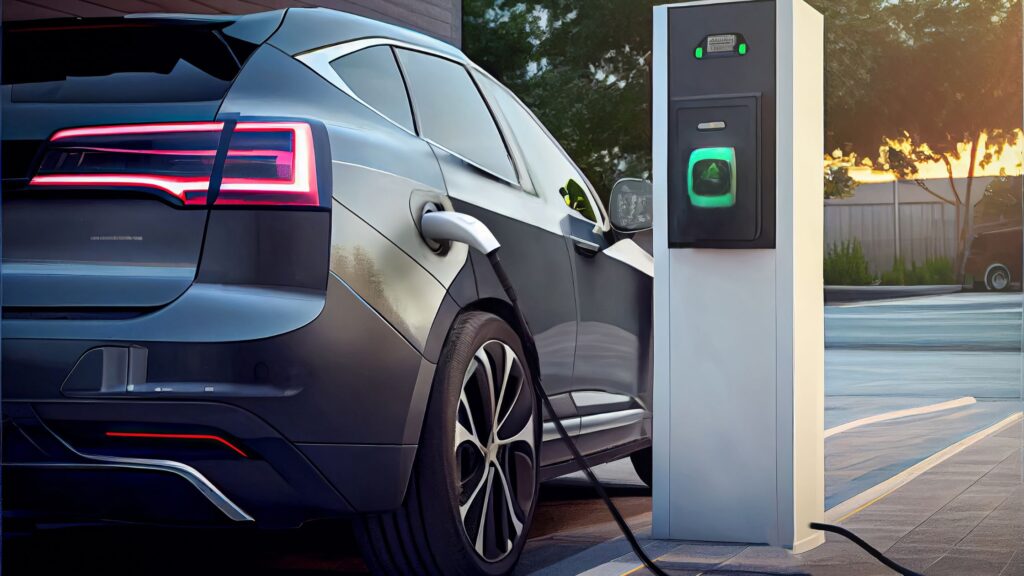

As fleets transition toward electric mobility, achieving a strong electric vehicle range is becoming a top operational priority. When companies adopt electric vehicles (EVs), they often face questions about performance, range, and downtime.
With the guidance of a trusted fleet management partner like Fleet Specialists, businesses can optimise operations, reduce costs, and improve overall efficiency. Their expertise in telematics, charging strategy, and data-driven insights ensures every mile delivers maximum value. By combining technology with tailored support, Fleet Specialists help organisations embrace electric mobility with confidence and long-term sustainability. Learn more about Fines Management Services.
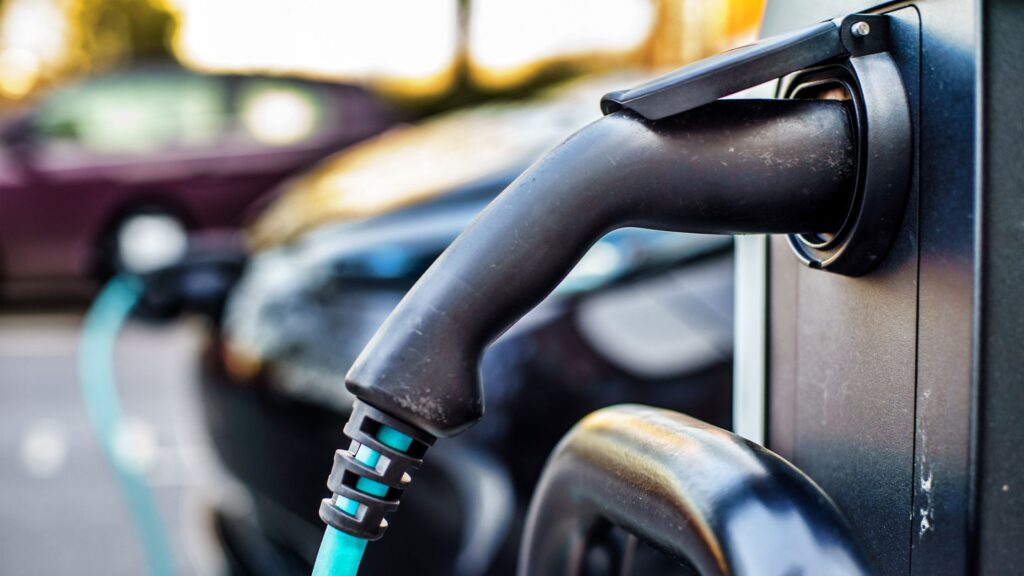
Understanding and Maximizing Electric Vehicle Range
Electric vehicle (EV) range—the distance an EV travels on one charge—directly impacts routes, schedules, and overall efficiency. Managing it well keeps fleets productive, cost-efficient, and sustainable.
- Operational Efficiency: A consistent range enables smarter route planning, reduces downtime, and ensures on-time deliveries.
- Smarter Charging: Knowing your range helps schedule charging during idle or off-peak hours, cutting energy costs and maximizing uptime.
- Lower Costs: Fewer charging stops and efficient routes mean less energy use, reduced wear, and long-term savings.
- Better Driver Experience: Predictable range minimizes stress and lets drivers stay focused and productive.
- Sustainability Goals: Optimized range reduces emissions and aligns your fleet with modern environmental standards.
Managing EV range effectively delivers smoother operations, lower costs, and stronger sustainability—driving fleets toward a smarter, greener future.
Practical Steps to Improve Electric Vehicle Range
Managing an electric vehicle (EV) fleet requires planning, discipline, and data-driven decisions. The following practices help maximize range, reliability, and return on investment.
1. Select the Right Vehicle
Choose an EV model that fits your routes and daily mileage. Assess load, terrain, and climate before purchase to ensure lasting performance. The right match prevents overuse, minimizes maintenance costs, and improves operational consistency.
2. Optimise Charging Behaviour
Schedule charging during off-peak hours and avoid full discharges. Maintain steady battery levels to extend lifespan. Smart charging reduces energy bills and prevents unnecessary battery wear.
3. Monitor Driver Behaviour
Promote efficient habits—smooth acceleration, steady speed, and limited idling. Driver training directly improves battery range and reduces operational strain.
4. Analyse Fleet Data
Use telematics to track real-time energy use and battery performance. These insights help refine routes, predict maintenance, and improve overall efficiency.
5. Invest in Infrastructure
Install well-placed charging points at depots and key routes. Proper infrastructure eliminates downtime and ensures continuous fleet productivity.
With the right vehicles, charging strategy, and data insights, EV fleets become powerful, efficient, and sustainable assets for modern logistics.
Challenges That Affect Electric Vehicle Range
Despite technological progress, several factors still influence an EV’s range:
- Temperature Extremes: Cold or hot climates reduce battery performance.
- Payload Weight: Heavier loads drain batteries faster.
- Driving Patterns: Sudden acceleration and braking waste energy.
- Topography: Hills and uneven terrain increase energy demand.
Fleet Specialists address these issues through preventive maintenance, efficient route mapping, and continuous data analysis to minimise range variability.
The Future of Fleet Electrification
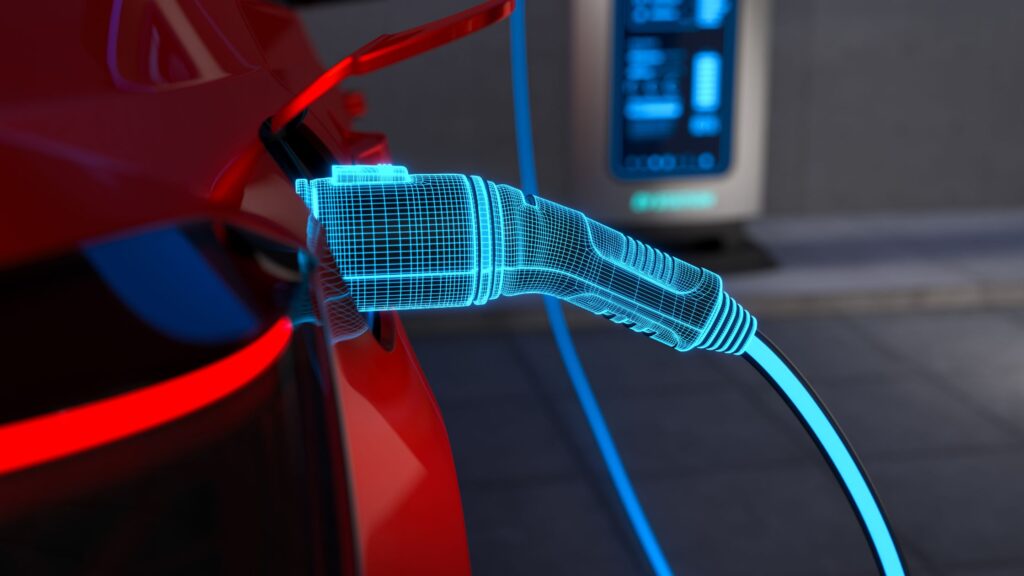
The electric vehicle industry continues to evolve rapidly. Innovations in battery density, faster charging, and regenerative braking will soon extend electric vehicle range even further. Fleet Specialists stay ahead of this curve by integrating analytics, automation, and sustainability insights into their management systems. Their proactive approach helps clients transition smoothly into the electric era—without compromising performance or profitability.
With expert guidance and data-driven tools, they empower businesses to future-proof their fleets, cut emissions, and unlock lasting operational efficiency. In an ever-changing mobility landscape, Fleet Specialists make the shift to electric both strategic and seamless.
Benefits of a Well-Managed Electric Fleet
Switching to an electric fleet boosts efficiency, lowers costs, and enhances long-term performance across all operations.
- Reliable Uptime and Predictable Schedules: EVs require less maintenance and face fewer breakdowns, ensuring smooth operations and on-time deliveries.
- Lower Energy and Maintenance Costs: Reduced fuel use, minimal servicing, and smart charging lead to major long-term savings.
- Enhanced Compliance and Sustainability: EVs align with green regulations and strengthen your brand’s environmental reputation.
- Increased Driver and Customer Satisfaction: Quiet, smooth rides improve driver comfort, while timely service boosts customer trust.
- Long-Term Operational Savings: Though initial costs are higher, reduced maintenance and energy expenses deliver a strong ROI.
A well-managed electric fleet ensures reliability, savings, and sustainability—turning efficiency into a lasting competitive edge.
How Fleet Specialists Support EV Deployment
Fleet Specialists provide tailored fleet management solutions that focus on sustainability, compliance, and performance. Their expertise spans strategic planning, operational management, and cost control. By integrating technology and data-driven systems, they help businesses:
- Monitor vehicle and driver performance in real time
- Optimise charging infrastructure and scheduling
- Identify patterns that affect range efficiency
- Improve long-term operational planning
Fleet Specialists empower organisations to achieve maximum performance while keeping costs under control.

Conclusion
In a competitive, eco-conscious market, mastering the electric vehicle range is no longer optional—it’s essential. With the right planning, infrastructure, and expert support, businesses can achieve efficiency, reliability, and long-term growth.
Fleet Specialists ensure that your transition to electric mobility is efficient, compliant, and future-ready. Their solutions empower fleets to perform smarter, drive longer, and operate sustainably.
FAQs
Q1: What is a realistic electric vehicle range for fleet operations?
A: Most commercial EVs offer 150–300 miles per charge, depending on usage, terrain, and load weight.
Q2: How can fleets improve EV range during daily operations?
A: Plan efficient routes, train drivers in energy-saving techniques, and maintain a consistent charging schedule.
Q3: Does frequent fast charging affect battery health?
A: Yes, overusing rapid chargers can shorten battery life. Balancing fast and slow charging ensures durability and range consistency.
Q4: How does data help manage electric vehicle range?
A: Fleet telematics tracks charging, driving behaviour, and power usage, helping managers make informed decisions that extend range.