
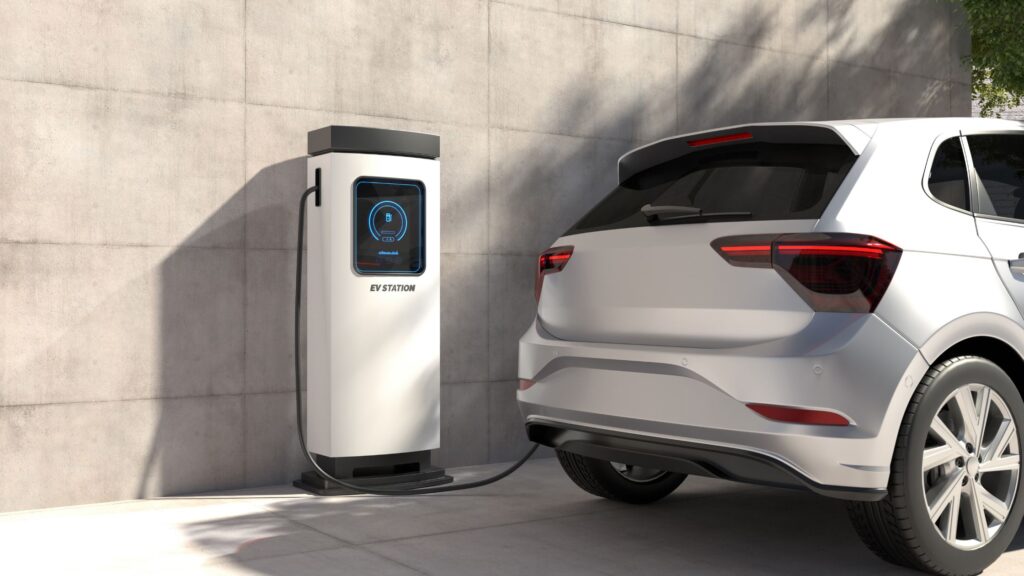

Understanding the energy requirements for charging a Tesla is essential for current and prospective owners. The amount of power needed to charge a Tesla depends on various factors, including the model, battery capacity, and the type of charging infrastructure used. This guide will explore the kilowatt (kW) requirements for charging your Tesla, helping you manage energy use, time, and cost efficiently.
Tesla Battery Capacities and Energy Requirements
Tesla vehicles come with different battery capacities that influence how much energy is required for a full charge. Here’s an overview of the capacities for each model:
- Model 3: Battery capacities range from 50 kWh to 82 kWh, depending on the variant.
- Model Y: Typically equipped with batteries ranging from 70 kWh to 82 kWh.
- Model S: Features larger battery capacities of around 100 kWh.
- Model X: Equipped with approximately 100 kWh batteries.
- Cybertruck: Expected to feature battery capacities ranging from 100 kWh to 200 kWh, depending on the configuration.
Charging efficiency typically ranges below 100%, often requiring 10–15% more energy from the grid than the battery’s capacity. For instance, a Model 3 with a 75 kWh battery may need around 79.8 kWh from the grid for a full charge. Learn more about The Ultimate Vehicle Management Guide.
Charging Options and Their Power Outputs
Tesla offers multiple charging solutions with different power outputs and speeds. These options give you the flexibility to charge your Tesla at home, on the road, or at public locations.
1) Tesla Wall Connector (Home Charging)
- Power Output: Up to 11.5 kW (48 amps)
- Charging Speed: Adds about 44 miles of range per hour of charging.
- Best For: Overnight charging at home, providing a full charge by the next morning.
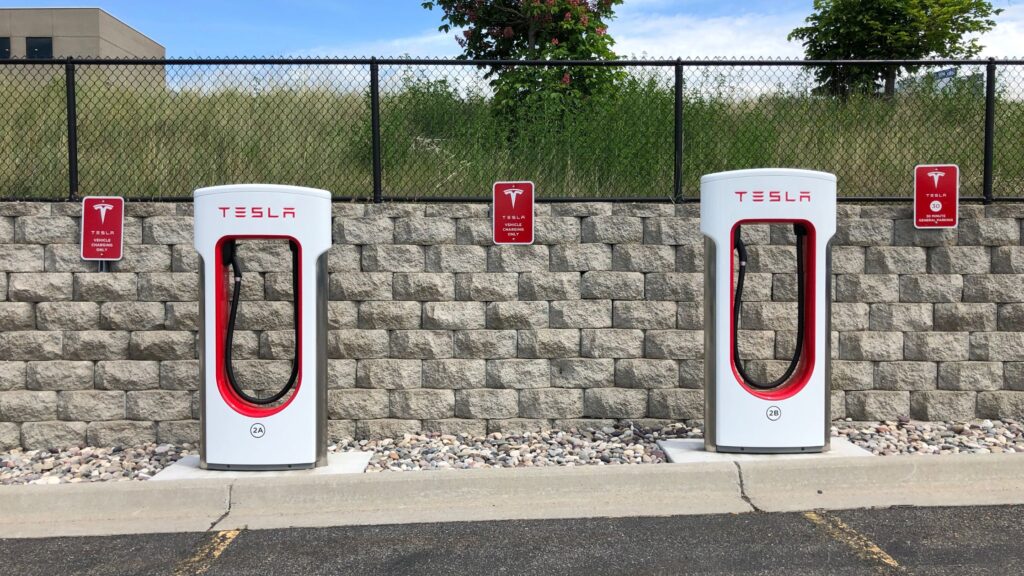
2) Tesla Supercharger (Public Fast Charging)
- Power Output: V3 Superchargers offer 250 kW, and V4 Superchargers are expected to support 500 kW.
- Charging Speed: Can add up to 75 miles of range in just 5 minutes for certain models.
- Best For: Long-distance travel and quick top-ups during road trips.
3. Level 2 Public Chargers
- Power Output: Typically ranges from 7.7 kW to 22 kW.
- Charging Speed: Speed depends on the power output and the vehicle’s acceptance rate.
- Best For: Charging while out at public locations like shopping centers or workplaces.
The right charging solution—Tesla Wall Connector for home, Superchargers for quick road trip top-ups, and Level 2 chargers for public convenience—ensures seamless EV readiness.
Estimating Charging Costs
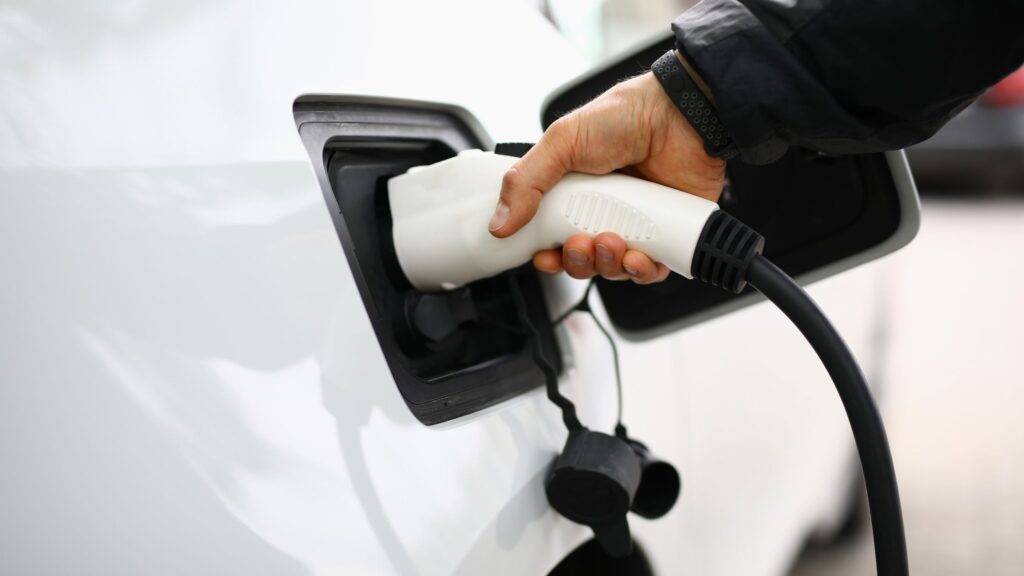
Charging costs depend on the electricity rates in your area, the type of charger you use, and your Tesla model:
- Home Charging: With average U.S. electricity rates at $0.17 per kWh, charging a Model 3 with a 75 kWh battery would cost approximately $12.75 for a full charge.
- Supercharging: Supercharger rates vary but generally range from $0.25 to $0.60 per kWh, depending on location, demand, and the time of day.
Using a Tesla Supercharger at $0.30 per kWh, a full charge for a Model 3 with a 75 kWh battery costs about $22.50. Charging at home is typically more economical, depending on local electricity rates.
Factors That Affect Charging Time
The time required to charge your Tesla varies based on several factors:
A) Battery Capacity
The larger the battery, the more time it will take to charge. For example, a Tesla Model S with a 100 kWh battery will take longer to charge than a Model 3 with a 50 kWh battery.
B) Charger Type
The charging time is influenced by the type of charger you use. A Tesla Wall Connector can fully charge your vehicle overnight, while a Supercharger offers a rapid top-up in just minutes, making it perfect for long trips.
C) State of Charge
If your Tesla is very low on charge, it will take longer to fill it. Charging speeds tend to slow down as the battery reaches full capacity to prevent damage.
D) Temperature
Cold weather can reduce charging efficiency. Tesla vehicles, however, are designed to handle cold temperatures well, but charging times can still be affected during extreme cold.
Charging time varies by battery size, charger type, charge level, and temperature. Superchargers offer fast top-ups, while cold weather may slow charging.
Benefits of Using Tesla Superchargers
Tesla’s Supercharger network is one of the most reliable and fast-charging networks available, with numerous benefits for Tesla owners:
- Speed: Superchargers provide rapid charging, allowing Tesla owners to add hundreds of miles of range in under an hour.
- Convenience: Tesla owners can find Superchargers at strategically placed locations along highways and in major cities, making them perfect for road trips.
- Efficiency: Tesla’s proprietary charging system ensures that charging is as fast and seamless as possible.
With rapid charging, strategic locations, and seamless efficiency, Superchargers make long-distance travel convenient and stress-free for Tesla owners.
Conclusion
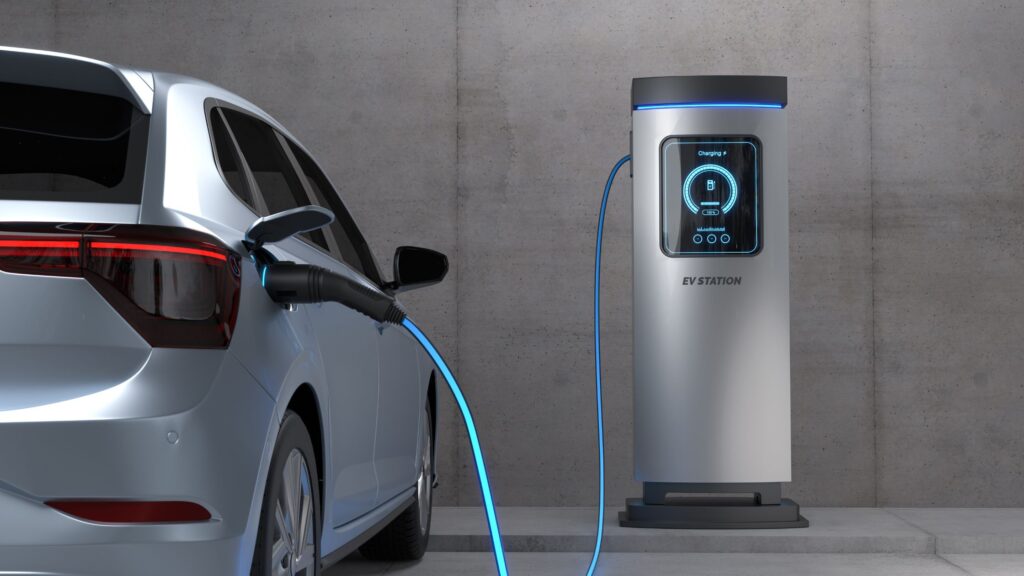
Determining how many kilowatts it takes to charge a Tesla is essential for planning your charging strategy and managing energy consumption. By considering your Tesla model, charging method, and battery capacity, you can optimize the charging process and make it as efficient as possible.
For businesses looking to integrate electric vehicles into their fleet, Fleet Specialists offers comprehensive fleet management services to ensure efficient and cost-effective operations. They can provide advanced solutions for fleet electrification and charging infrastructure management.
FAQs
Q1: How long does it take to fully charge a Tesla at home?
A1: Using a Tesla Wall Connector, a full charge typically takes between 6 to 12 hours, depending on the model and battery capacity.
Q2: Can I use a regular household outlet to charge my Tesla?
A2: Yes, but it’s not ideal for regular use. A standard household outlet provides about 2.3 kW, which results in slow charging.
Q3: Are Tesla Superchargers compatible with other electric vehicles?
A3: Tesla has started opening its Supercharger network to other EVs in some regions, but compatibility depends on the specific location and the vehicle’s charging port.
Q4: How can I monitor my Tesla’s charging status?
A4: Tesla provides a mobile app that allows owners to monitor the charging progress, set charging schedules, and receive notifications when charging is complete.