
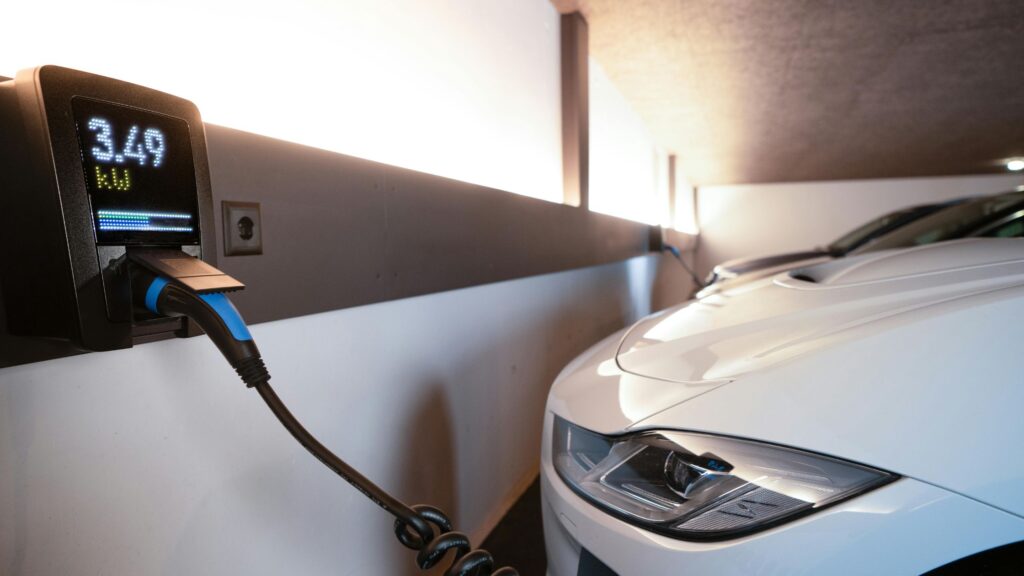

As businesses shift towards electric vehicles, reliable EV fleet charging solutions are essential. With increasing EV adoption in the commercial sector, companies need the right infrastructure to support growing fleets. In the UK, charging UK services are crucial for optimizing fleet efficiency and ensuring compliance with evolving standards. Additionally, electric vehicle fleet charging infrastructure plays a key role in operational continuity and environmental goals. In this article, we examine the advantages of EV fleet charging solutions and how to optimize EV charging infrastructure in the UK while complying with European Union standards.
The Growing Demand for EV Fleet Charging Solutions
As electric vehicle adoption accelerates, many companies are making the shift to electrify their vehicle fleets. This transition offers numerous advantages, including significant reductions in carbon emissions, lower fuel costs, and reduced maintenance expenses. However, to fully reap these benefits, businesses must invest in reliable EV fleet charging solutions that are tailored to meet the unique demands of their fleets. Charging infrastructure plays a critical role in ensuring the seamless operation of electric fleets.
Without a well-planned and efficient charging setup, businesses risk facing downtime, delays, and unexpected operational costs. Charging stations that are either insufficient or poorly integrated can lead to gaps in fleet availability, negatively impacting productivity and increasing costs. To optimize the performance of their fleets, businesses must assess their current and future charging needs, evaluate the types of vehicles they operate, and invest in charging infrastructure that supports their long-term goals. Proper planning ensures that vehicles are always charged and ready for use, helping businesses maintain smooth and efficient operations.
Components of an Efficient EV Fleet Charging System
An efficient EV fleet charging system is vital for businesses looking to maintain optimal performance while reducing costs.
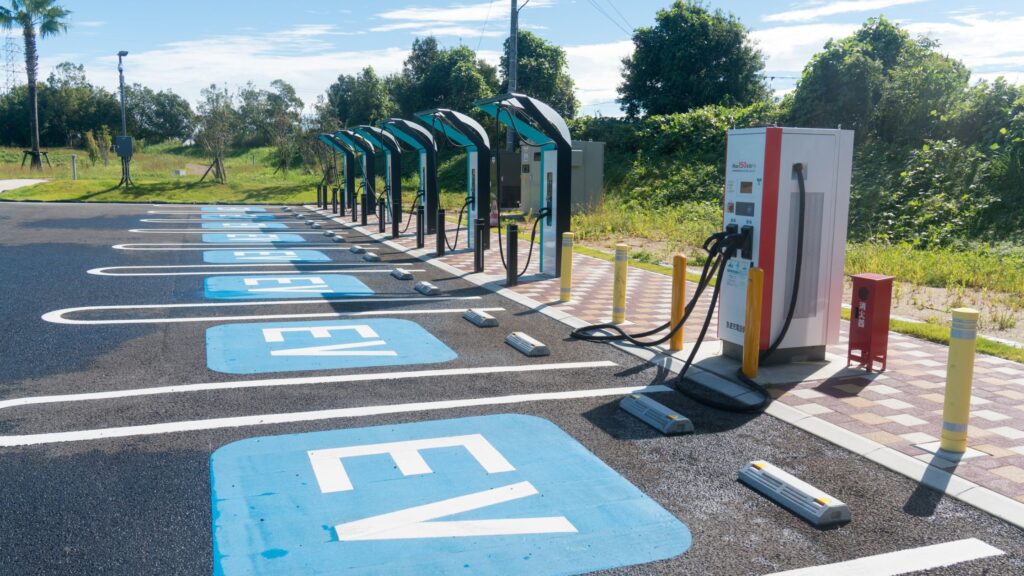
1. Charging Station Installation: Install the appropriate charging stations, standard or fast, based on fleet needs.
2. Energy Management Systems: Optimize charging schedules to reduce energy costs, focusing on off-peak hours.
3. Scalable Infrastructure: Design the system to grow with your fleet, adding more chargers or faster units as needed.
4. Software Integration: Use software to track energy usage, manage charging times, and identify cost-saving opportunities.
Integrating these components helps businesses build a cost-efficient, scalable charging infrastructure that ensures smooth operations and controlled energy costs.
The EU’s Special EV Charging Standards
One key consideration for companies in the UK and Europe is compliance with the European Union’s special EV charging standards. The EU has set ambitious targets for reducing carbon emissions, which include a push for widespread EV adoption.
A) The European Charging Standard
This is the primary standard for EV charging in the EU. It ensures the safety and compatibility of charging stations with electric vehicles. The IEC 61851 standard outlines the interaction between charging stations and vehicles, ensuring both safety and efficiency.
B) Type 2 Connectors
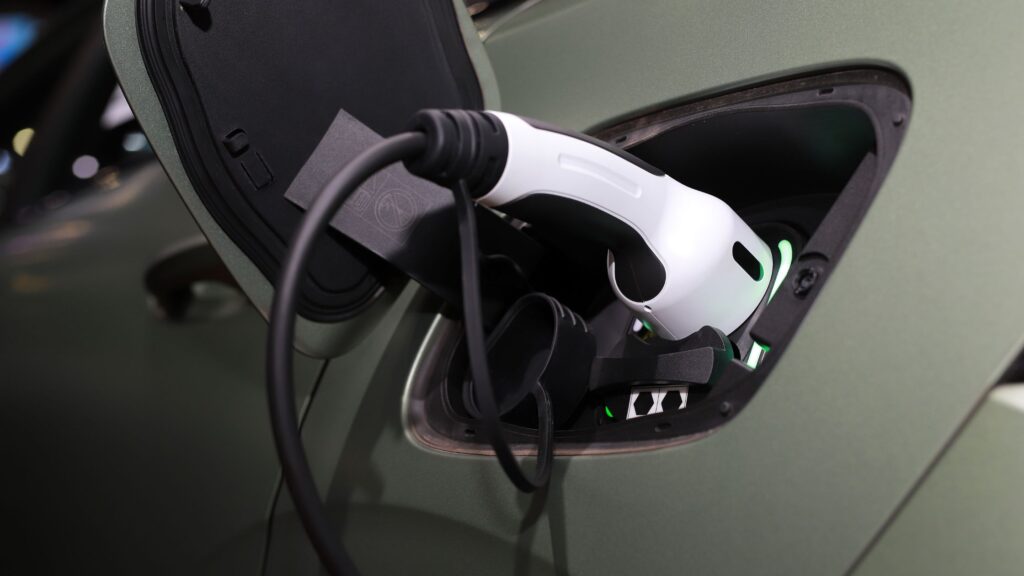
In the EU, Type 2 connectors have become the standard for both home and commercial charging stations. These connectors are widely used in public charging networks and offer faster charging speeds compared to older connectors, such as Type 1.
C) The EU’s Alternative Fuels Infrastructure Directive
The AFID mandates the installation of EV charging infrastructure across Europe. It sets targets for the number of charging stations and ensures that they are easily accessible to the public. This directive is crucial for businesses looking to expand their fleets and maintain the necessary infrastructure to support their EVs.
D) Smart Charging Systems
The EU is encouraging the development of “smart” charging systems that can optimize energy use. These systems are designed to balance the load on the electrical grid, reduce charging costs, and ensure that vehicles are charged at the most efficient times.
As businesses in the UK and Europe transition to electric fleets, understanding and adhering to these standards is crucial for ensuring that their infrastructure is both compliant and efficient. Learn more about Mastering Electric Vehicle Fleet Management for a Sustainable Future.
Steps to Improve Your EV Charging Infrastructure
Optimizing your EV charging infrastructure is essential for reducing costs and improving efficiency. By focusing on key aspects, businesses can ensure their charging systems meet fleet needs and support long-term growth.
- Understanding fleet usage — such as daily mileage and turnaround times — helps in selecting the right chargers and locations to minimize downtime.
- Investing in smart charging systems allows for off-peak charging, reducing electricity costs and automatically scheduling based on demand.
- As your fleet grows, ensure the infrastructure is scalable to accommodate more vehicles and faster charging.
- Consider strategic charging station placement at depots, on the road, or at driver homes to ensure maximum efficiency.
- Regular monitoring and maintenance of the charging stations are essential to avoid downtime and costly repairs.
By following these steps, businesses can create an efficient and scalable EV charging infrastructure that supports fleet growth and minimizes operational costs.
Conclusion
Optimizing EV fleet charging solutions is essential for businesses transitioning to electric vehicles. By focusing on smart charging, scalable infrastructure, and strategic placement, companies can ensure efficient and cost-effective operations. Adhering to EU standards further enhances the reliability and sustainability of your fleet. At Fleet Management Specialists, we help businesses build seamless, scalable, and cost-efficient EV fleet charging infrastructure to support their long-term goals. With the right setup, fleets stay charged, ready, and reliable—day after day.
FAQs
Q1: What are EV fleet charging solutions?
They include chargers, installation, energy management, and maintenance to keep EV fleets running smoothly.
Q2: How does smart charging optimize EV fleet performance?
It schedules charging during off-peak times to cut costs, avoid overload, and keep vehicles ready.
Q3: What are the EU’s charging standards for electric vehicles?
Common standards include IEC 61851 and Type 2 connectors, supported by EU rules expanding charging networks.