
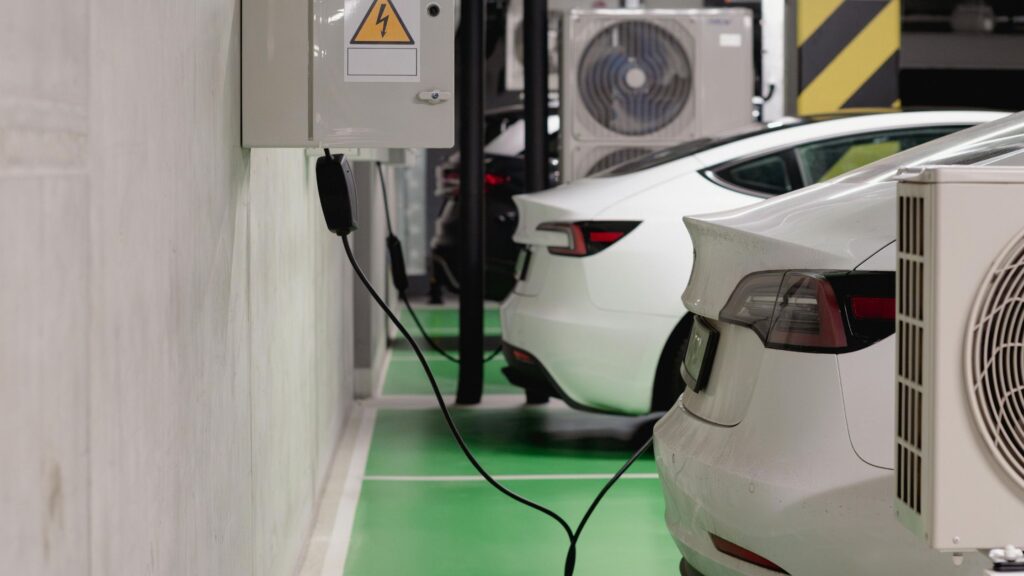

As transportation continues to evolve, managing electric vehicle fleets has become a top priority for businesses looking to stay ahead. Companies are now focused on reducing emissions, boosting efficiency, and meeting regulations, making electric fleets an essential part of the future of fleet management. Understanding how to manage an electric fleet effectively is key to long-term success. This guide covers the basics of electric vehicle fleet management, shares best practices, and explains why working with experienced EV fleet management companies can help transform your operations.
What Is Electric Vehicle Fleet Management?
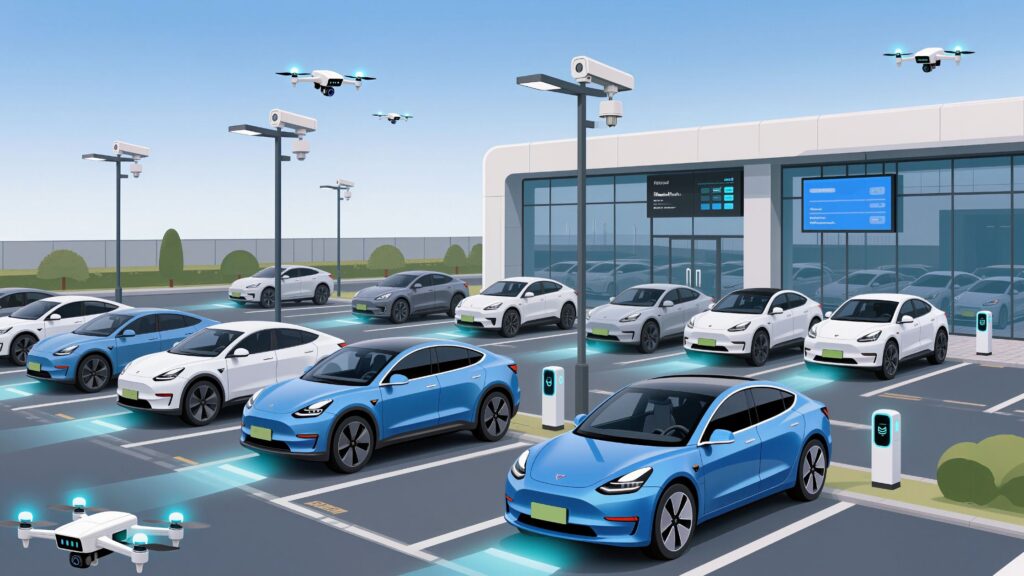
Electric vehicle fleet management involves overseeing a company’s electric vehicles (EVs) and assets, focusing on planning, performance monitoring, and optimisation throughout their lifecycle. Unlike traditional fleets, electric fleets require attention to battery health, charging infrastructure, range, and green compliance. It combines telematics, data analytics, and sustainability strategies to meet both operational and environmental goals.
Effective management requires proactive decisions, such as replacing aging vehicles, optimising charging schedules, reducing downtime, and monitoring emissions and energy usage to align with regulations and sustainability objectives.
Reasons Businesses Are Shifting to Electric Fleets
The shift to electric vehicle fleets offers many benefits. First, EVs produce zero tailpipe emissions, helping businesses meet environmental and corporate social responsibility goals. Electric fleets also require less maintenance since EVs have fewer moving parts compared to traditional vehicles. Plus, advancements in battery technology, more charging stations, and government incentives make adopting EVs easier for businesses.
Electric fleets also improve a company’s brand image. More customers are choosing businesses that lead in environmental sustainability. By adopting effective electric car fleet management strategies, companies can strengthen their market position and attract eco-conscious clients.
Core Elements of Electric Fleet Management
To succeed with electric vehicle fleet management, businesses must focus on key areas that enhance performance and reduce inefficiencies. Here’s a breakdown of the core components to prioritise:
A. Strategic Planning and Implementation
The foundation of a successful electric fleet starts with strategic planning. Fleet managers need to evaluate current transportation needs, assess suitable EV models, and forecast future requirements. Understanding route patterns and daily range needs helps determine the ideal number and type of EVs. Additionally, planning for charging infrastructure is crucial. Proper placement of charging stations, whether at depots, workplaces, or public locations, can significantly improve fleet productivity.
B. Charging Infrastructure Management
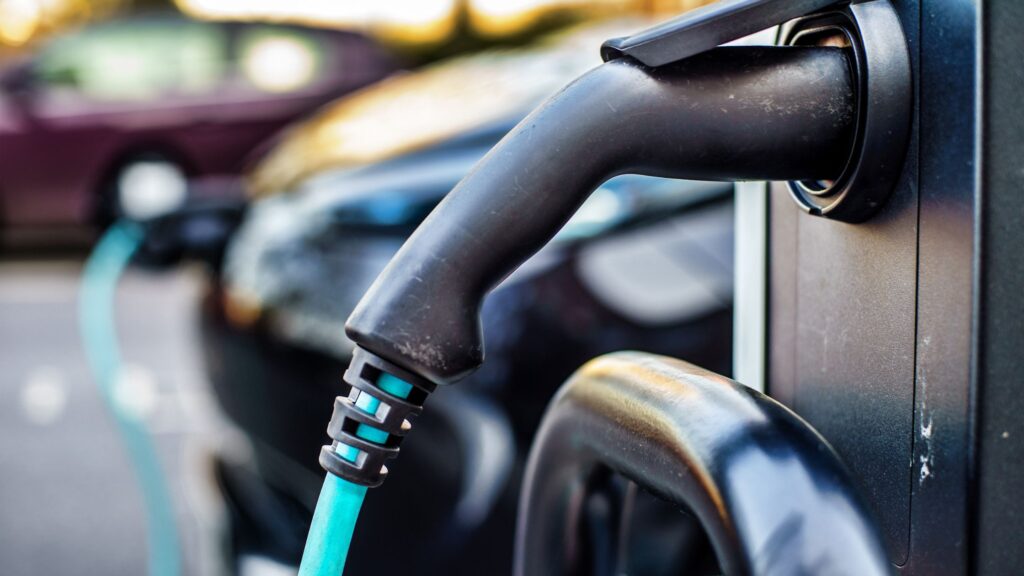
An efficient charging infrastructure is a cornerstone of electric vehicle fleet management. Fleet managers must ensure that vehicles are charged on time and ready for use. This requires careful planning of charging stations, considering the types of chargers (slow, fast, or rapid) and their alignment with operational workflows. Integrating charging data into fleet management systems allows for real-time monitoring of battery levels, health, and energy consumption.
C. Real-Time Telematics and Monitoring
Telematics systems are crucial for modern fleet management. By providing real-time insights into vehicle locations, battery statuses, and driver behaviour, telematics help managers make data-driven decisions. For example, monitoring vehicles in real time can help reduce unnecessary idling and prevent situations where EVs run out of charge mid-route. Additionally, telematics enable predictive maintenance, allowing managers to address potential issues before they become costly problems, thus prolonging the life of EV components.
D. Sustainability and Emissions Reporting
For businesses committed to sustainability, reporting on emissions and energy consumption is essential. Electric fleets generate significantly fewer emissions compared to traditional vehicles. However, fleet managers must track and report on reductions in emissions, energy use, and overall environmental impact. Many electric fleet management systems include tools to compile this data into comprehensive sustainability reports, helping businesses stay compliant with environmental regulations and demonstrate their progress toward green goals.
E. Driver Training and Support
Driver behaviour plays a significant role in the efficiency and longevity of EVs. Comprehensive training ensures that drivers understand how to optimize battery usage, charge effectively, and drive in an eco-friendly manner. Ongoing support, such as helplines and digital platforms, boosts driver confidence, improves their performance, and helps enhance the overall fleet’s efficiency.
By focusing on these core components, businesses can maximise the potential of their electric vehicle fleets, leading to improved productivity, sustainability, and cost savings. Learn more about Maximising Electric Vehicle Range.
The Role of EV Fleet Management Companies
Partnering with experienced EV fleet management companies speeds up the transition to electric vehicles and enhances fleet performance. These experts create tailored strategies, optimize routes, and improve energy efficiency using advanced analytics.
They also offer services like vehicle sourcing, lease management, driver training, and compliance monitoring, allowing businesses to focus on core operations. By staying updated on technology and regulations, these companies ensure compliance and maximise fleet performance as EV standards evolve.

Best Practices for Managing Electric Fleets
To fully maximise the potential of electric fleets, businesses should follow these best practices:
- Conduct a detailed fleet assessment: Before transitioning to EVs, evaluate which vehicles are best suited for electrification based on factors like range, usage, and operational patterns.
- Integrate data seamlessly: Utilise telematics and fleet management software to consolidate vehicle, charging, and driver data for comprehensive management and visibility.
- Plan charging intelligently: Strategically place charging stations to align with business operations, reducing downtime and preventing delays.
- Train drivers consistently: Equip drivers with the necessary knowledge and tools to optimise EV performance and extend battery life.
- Monitor sustainability metrics: Regularly track and report on emissions reductions and operational efficiency improvements to ensure alignment with sustainability goals.
By following these best practices, businesses can ensure their electric fleets are efficient, reliable, and cost-effective while meeting broader corporate objectives.
Conclusion
In conclusion, electric vehicle fleet management is essential for businesses aiming to optimize operations and reduce environmental impact. By focusing on strategic planning, telematics, charging infrastructure, and sustainability, companies can turn their fleets into efficient, eco-friendly assets. Partnering with EV fleet management companies provides expert support throughout the electrification process.
For tailored, reliable fleet solutions, Fleet Specialists UK offers professional services to manage your EV fleet efficiently. Visit Fleet Specialists to learn more about how they can support your electric fleet goals.