


Electrification changes more than the vehicle type. It reshapes budgets, driver routines, depot planning, and reporting. Therefore, UK businesses need one connected EV fleet system that links leasing decisions, charging readiness, and real-time tracking into daily operations. This integration helps optimize resource allocation, ensuring maximum fleet performance and smooth transitions to electric mobility.
Fleet Management Specialists supports fleets with structured oversight that improves efficiency, strengthens compliance, and reduces disruption. When you build EV operations on that base, you reduce downtime, control costs, and improve reliability across every vehicle movement. This robust framework fosters long-term sustainability and streamlines operations, positioning businesses for success in the evolving EV landscape.
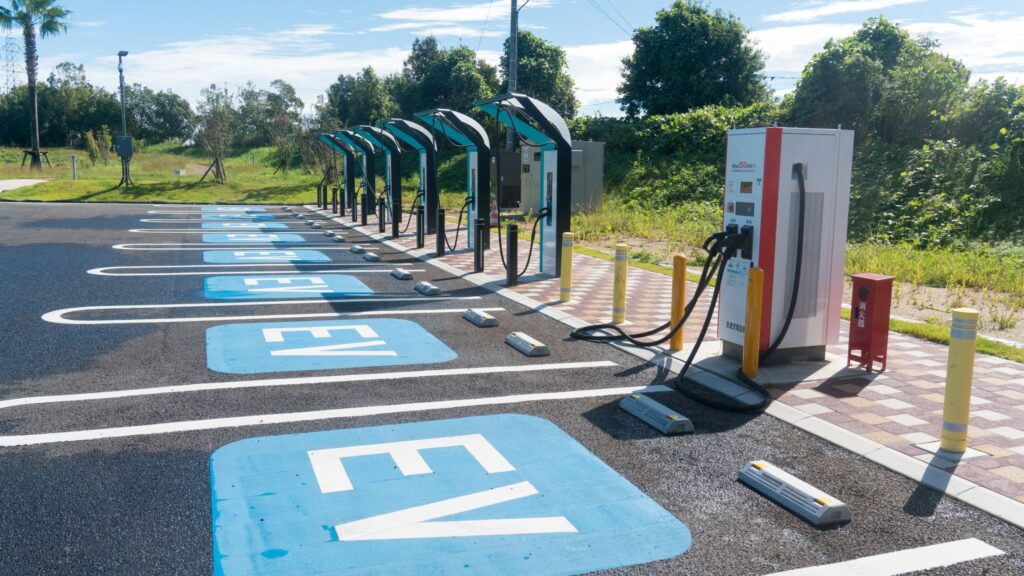
Start With An EV Fleet Plan That Matches Real-World Operations
You should start with what your fleet actually does each day. First, you should map routes, average mileage, payload needs, stop frequency, and turnaround times. Then, you should align those patterns with EV range, charging windows, and vehicle availability targets.
EV fleets also introduce new dependencies. Batteries, charger access, and energy planning directly influence productivity. Consequently, you should treat energy like a core fleet cost, not a side detail. When you plan with that mindset, you reduce delays and protect customer commitments.
Practical Planning Checklist
- You should segment vehicles by duty cycle (local, regional, multi-stop, on-call).
- You should define minimum state-of-charge rules per route type.
- You should plan depot schedules around charging capacity and shift timings.
- You should set replacement timelines that avoid mixed-spec confusion.
Implementing this practical checklist allows businesses to stay ahead of the curve in EV fleet management. It reduces risks, enhances operational efficiency, and supports seamless transitions to electric mobility, while safeguarding both business goals and customer satisfaction. With strategic planning and thorough energy management, your fleet will thrive in the growing EV market.
EV Leasing That Protects Cash Flow And Prevents End-Of-Contract Surprises
Leasing often accelerates electrification because it reduces upfront capital strain and keeps refresh cycles predictable. However, EV leasing only stays cost-effective when you actively manage contracts, mileage, renewals, and handback conditions.
You should treat leasing as an operational control system, not just a funding choice. Therefore, you should align mileage limits with real routes, monitor usage weekly, and act early when exceptions appear. When you manage the lease lifecycle properly, you prevent excess charges and reduce admin stress.
What EV-Ready Leasing Should Include
- You should align contract mileage with route reality, not last year’s ICE averages.
- You should standardise trims and charging capability across teams for consistency.
- You should plan handback processes early and schedule inspections before deadlines.
- You should reduce risk with clear internal rules for vehicle use and accountability.
By effectively managing the leasing process, your business can avoid costly pitfalls while fostering smooth transitions to an electrified fleet. Consistent oversight of contracts, mileage, and handback conditions ensures leasing remains a cost-efficient and dependable part of your fleet strategy, contributing to long-term operational success.
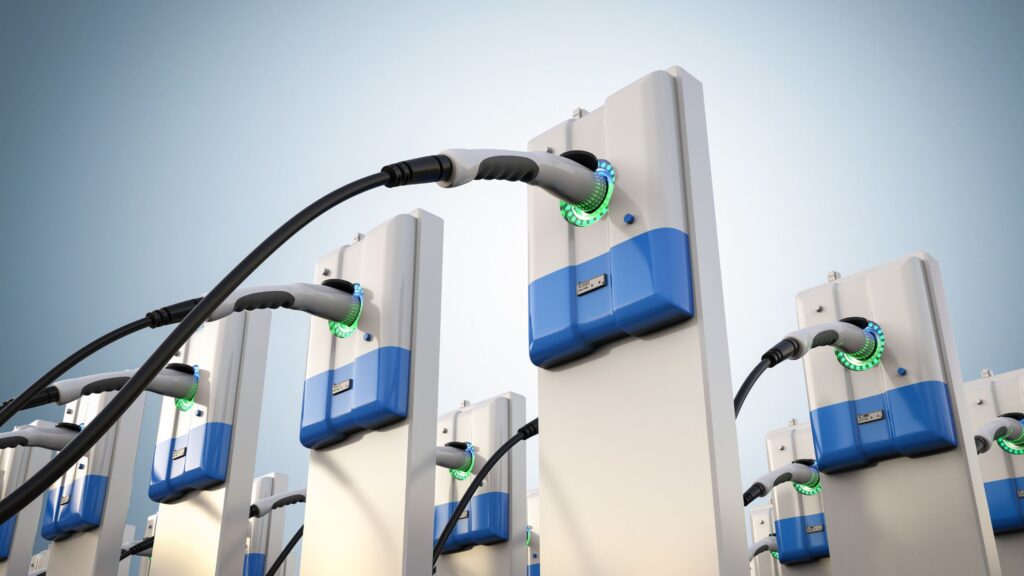
Charging Infrastructure That Keeps Vehicles Ready, Not Just “Installed”
Charging becomes the heartbeat of an EV fleet. So, you should design charging around operational continuity, not only around purchasing chargers. When you treat charging as a managed workflow, you reduce missed jobs, late starts, and avoidable downtime. Additionally, you build driver confidence because the fleet runs on predictable routines, not last-minute decisions.
1. Depot, Workplace, And Home Charging: Choose A Blended Model
You should place charging where vehicles naturally pause. Many UK fleets run best with a blended approach:
- You should use depot charging for overnight readiness and predictable scheduling.
- You should use workplace top-ups for daytime flexibility and route resilience.
- You should use home charging for eligible roles when drivers take vehicles home.
Then, you should control charging behaviour with simple rules that protect availability. For example, you should set cut-off times for plug-in, define minimum morning charge targets, and assign responsibility for end-of-shift checks.
2. Compliance And Connector Standards Still Matter
You should also standardise charging compatibility across your fleet. When you reduce variation, you lower driver confusion and prevent operational friction. Additionally, you should ensure your internal policies align with your infrastructure rules, because policy gaps create downtime even when chargers exist.
A well-designed charging system ensures smooth, efficient operations and builds driver confidence. By adopting a blended model and standardizing policies, you minimize downtime and friction, creating a more reliable EV fleet.
Fleet Tracking That Turns EV Data Into Daily Decisions
EV fleets generate operational data that can improve performance quickly when you use it correctly. Therefore, you should use tracking to reduce dead miles, protect range, and increase driver accountability. When you improve visibility, you tighten routes, reduce delays, and respond faster to service changes. Moreover, you spot underused vehicles and rebalance workloads before costs rise, and here is what you should track for EV Fleets specifically:
- Track live location and job progress to reduce delays and missed appointments. This enables real-time adjustments to keep the fleet on track.
- Track routes and idle time to protect range and improve energy use. Optimizing routes and reducing idle time ensures better energy efficiency.
- Track driving behaviour to reduce harsh acceleration that drains the charge faster. Encouraging smoother driving extends battery life.
- Track utilisation to identify underused assets and rebalance workload. Reallocating resources improves asset efficiency.
- Track maintenance schedules to reduce unexpected downtime. Staying on top of maintenance ensures optimal fleet performance.
When you pair tracking with charging rules, you prevent the most common EV fleet failure: vehicles that sit uncharged while work stacks up.
Operations Support That Keeps The Fleet Compliant, Supported, and Moving
A complete EV fleet programme still depends on classic fleet disciplines. So, you should strengthen the support layers that keep drivers productive, reduce disruption, and keep records clean. When a team responds fast to driver needs and admin tasks, the fleet stays consistent. Consequently, you protect customer service and improve internal confidence, such as:
A) Driver Support And Continuity
You should protect productivity with fast driver support. When drivers know exactly where to go for help, they return to work faster and avoid repeated errors. Additionally, you should keep driver checks, usage rules, and incident reporting consistent across the business. A well-supported driver team ensures smoother operations, reduces confusion, and maintains high levels of fleet efficiency.
B) Logistics That Reduce Downtime
EV availability drops when movements slip. Therefore, you should manage vehicle movements with clear scheduling and reliable execution. When you handle relocations, inspections, and emergency replacements smoothly, you prevent downtime from spreading across the fleet. This efficient logistics framework minimizes disruptions, maximizes vehicle uptime, and ensures that all fleet operations continue without delay.
C) Financial Control That Makes EV Costs Visible
You should make EV costs easy to understand, because clarity drives better decisions. When you track spend consistently, you can forecast replacement cycles, justify charging upgrades, and reduce waste. Moreover, you can compare the cost per mile fairly across regions and teams. A transparent financial overview empowers better budget decisions, strengthens cost control, and ensures a sustainable EV transition.
D) Fines And Contraventions Management
Compliance friction creates hidden costs. So, you should centralise fines handling and keep timelines tight. When you manage contraventions quickly, you prevent escalation, reduce admin time, and protect fleet records. Proactive management of fines ensures smooth operations, reduces unnecessary penalties, and maintains a compliant and cost-effective fleet.
Focusing on driver support, logistics, financial control, and fines management creates an efficient EV fleet that boosts productivity, reduces downtime, and maintains financial clarity. This approach enhances performance, supports growth, and ensures smooth EV adoption.
A Simple Implementation Roadmap For UK Businesses
As businesses transition to electric vehicle (EV) fleets, a structured rollout is crucial for ensuring smooth operations and maintaining service levels. By implementing EV fleet management in controlled stages, you can optimize performance, minimize disruptions, and effectively manage costs. Here’s how to approach each phase:
Phase 1: Baseline And Policy
- You should document routes, duty cycles, and vehicle availability expectations.
- You should set EV use rules for drivers, depots, and home charging.
- You should standardise reporting routines across operations and finance.
Phase 2: Leasing And Lifecycle Control
- You should standardise EV models by role.
- You should implement renewal timelines and contract control routines.
- You should deploy mileage monitoring to prevent contract issues early.
Phase 3: Charging Readiness
- You should deploy depot charging where vehicles park longest.
- You should add workplace or home charging where it supports operations.
- You should expand capacity as the fleet scales
Phase 4: Tracking And Optimisation
- You should implement tracking to improve routing and utilisation visibility.
- You should coach drivers using behaviour insights and practical feedback loops.
Phase 5: Continuous Improvement
- You should publish monthly performance and cost reports.
- You should refine the charging policy and vehicle allocation using real fleet data.
By following this staged approach, you ensure a smooth and efficient EV fleet rollout while maintaining service levels. Each phase builds on the previous one, leading to a cost-effective and sustainable fleet. Continuous monitoring and adjustments will keep the fleet optimized, supporting your business’s transition to electrification. Learn more about EV Charging UK.
What Success Looks Like: KPIs You Should Monitor
Tracking key performance indicators (KPIs) is essential for optimizing your EV fleet’s efficiency, controlling costs, and ensuring smooth operations. These metrics provide valuable insights to help you make informed decisions and improve overall fleet performance. Key Performance Indicators (KPIs) for EV Fleet Management:
- Vehicle Availability Rate (daily readiness and missed starts): Track vehicle readiness and minimize downtime by optimizing scheduling and addressing missed starts.
- Charging Compliance Rate (planned vs missed charge windows): Ensure vehicles are charged on time, preventing delays and maximizing fleet efficiency.
- Cost Per Mile (energy, lease, maintenance, and admin combined): Monitor total costs to identify opportunities for cost reduction and improve budgeting accuracy.
- Route Efficiency (dead miles, idle time, re-routing frequency): Optimize routes to reduce inefficiencies, ensuring vehicles operate at peak efficiency.
- Compliance Health (checks, fine handling speed, and admin accuracy): Improve compliance by quickly addressing fines and ensuring accurate checks and reporting.
- Financial Variance (forecast vs actual fleet spend): Compare forecasted vs actual expenses to identify discrepancies and enhance financial planning.
By tracking these KPIs, you can optimize your EV fleet’s performance, reduce costs, and ensure reliable service. Regular monitoring provides insights that help you improve every aspect of fleet management, supporting long-term sustainability and success.

Conclusion
A complete EV transition needs more than new vehicles. It needs joined-up operations across leasing control, charging readiness, and tracking-led optimisation. When you connect those elements, you reduce downtime, prevent cost surprises, and keep every vehicle ready to work. Fleet Specialists supports this complete approach through structured lease control, mileage oversight, charging readiness planning, tracking-based optimisation, logistics support, and financial visibility that keeps businesses in control. To move faster with a stable rollout and stronger performance reporting, align your EV programme with Fleet Specialists today.
Frequently Asked Questions
1) What does “EV Fleet Management UK” usually include?
It encompasses vehicle and lease oversight, charging readiness, driver support, and compliance workflows within a unified system. It also promotes data-driven decision-making to improve efficiency and facilitate fleet transitions.
2) How do we avoid excess charges on EV leases?
You should manage contracts proactively and monitor mileage continuously, because that prevents breaches and reduces end-of-contract surprises. Regular checks and early intervention ensure that lease terms are adhered to, minimizing unexpected costs.
3) What charging setup works best for most UK fleets?
A blended model often works best. You should combine depot charging for reliability with workplace or home charging, where it supports operations and availability. This hybrid approach balances convenience and efficiency, ensuring vehicles are ready when needed without disruptions.
4) Why should we use tracking and telematics for EV fleets?
You should use tracking to improve routes, reduce idle time, manage utilisation, and control risks with better visibility into daily operations. Tracking also enables real-time monitoring, allowing for quicker adjustments and improved fleet performance across all operations.