
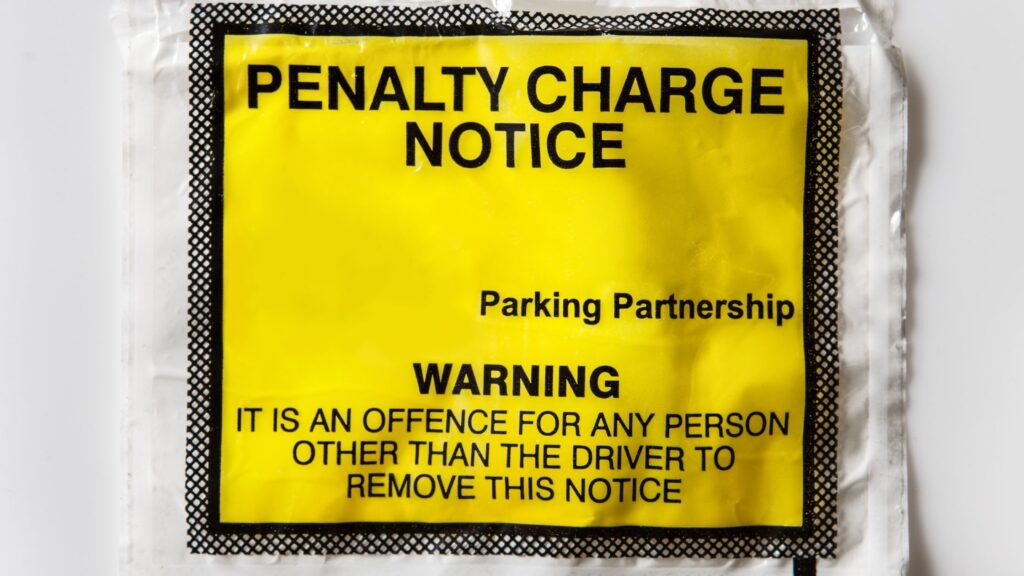

Fleet management involves many moving parts, but one of the most important — and often neglected — areas is managing fines and contraventions. Whether it’s parking tickets, speeding fines, toll violations, low-emission zone charges, or congestion fees, fleets face numerous compliance challenges every single day as vehicles move through different regions and regulatory environments. Without an efficient, well-organized system to handle these issues, penalties can quickly add up, causing unnecessary financial strain and leading to costly disruptions in operations.
In some cases, neglected fines can even escalate into legal complications or vehicle restrictions, affecting fleet availability and productivity. This article explains the essentials of fines and contraventions management, why it matters for your fleet long-term, and how a proactive, streamlined system can save time, reduce stress, protect drivers, and cut avoidable costs while keeping your business compliant and efficient.
Why Managing Fines & Contraventions is Crucial for Your Fleet
Fleet vehicles move through many regions, each with its own traffic regulations, toll setups, and enforcement methods. As a result, managing fines effectively is key to maintaining smooth, compliant, and cost-efficient operations. A well-structured fines management system ensures:
- Quicker resolution of fines: Fines are identified, recorded, and processed faster, so you avoid delays, confusion, and last-minute payments.
- Fewer missed deadlines and penalties: Automated tracking and reminders help your team stay on top of due dates, reducing the chance of late fees or added charges.
- Reduced risk of escalation: When fines are handled promptly and correctly, they are less likely to escalate into serious legal issues or enforcement actions.
- Greater driver accountability: Clear reporting shows which drivers receive fines most often, encouraging safer driving habits and more responsible road behavior.
- Lower overall risk exposure: With better visibility and control, your business reduces financial risk, protects its reputation, and stays compliant with local regulations.
Rather than dealing with fines only when they appear, a proactive fines & contraventions management strategy helps your fleet stay organised, compliant, and focused on productive work instead of administrative firefighting.
Key Benefits of a Robust Fines & Contraventions Management System
Managing fines isn’t just about paying tickets—it’s about staying organized, cutting costs, and keeping your fleet safe and compliant.
1. Automating Routine Tasks
Manually handling fines is time-consuming and error-prone. Automation simplifies the process by:
- Logging all incoming fines
- Assigning responsibilities to the correct drivers
- Keeping track of deadlines
- Ensuring timely payments
By automating these tasks, your team can stay ahead of fines and avoid costly delays.
2. Data-Driven Insights for Smarter Decision-Making
A fines management system offers valuable data that reveals patterns, such as:
- Recurring violations by specific drivers
- High-risk areas or routes
- Timing of fines
These insights allow you to adjust policies, provide targeted driver training, and optimize routes, leading to fewer fines over time.

3. Reduced Administrative Workload
Managing fines manually can be a resource-intensive task. A structured system:
- Consolidates all fines in one place
- Simplifies payment processes
- Reduces the chance of lost notices
- Saves valuable administrative time
By streamlining the process, your staff can focus on other critical tasks instead of tracking down fines.
4. Improved Compliance and Safety
Many traffic violations are related to safety issues, such as speeding or reckless driving. By consistently tracking fines, you can:
- Identify risky driving behaviors
- Offer corrective training
- Enhance road safety standards
- Reduce accident risk
A compliant fleet is a safer fleet, ultimately contributing to reduced insurance premiums and fewer accidents.
5. Cost Control and Prevention of Escalating Fines
Small fines can snowball into significant financial burdens if not dealt with on time. Late payments can lead to:
- Additional fees
- Escalating penalties
- Legal consequences
An efficient management system ensures that fines are paid on time, helping you avoid these extra costs.
How Fines & Contraventions Management Works
Here’s a breakdown of how the fines management process typically unfolds:
- Capture the Fine: Record each penalty as soon as it arrives (speeding, parking, toll violations, etc.).
- Assign Responsibility: Identify which driver was behind the wheel at the time of the violation.
- Track and Alert: Set automated reminders to avoid missing deadlines.
- Payment and Documentation: Ensure timely payment and keep records for compliance checks.
- Reporting & Analysis: Regular reports to help identify trends and avoid future violations.
Together, these steps create a clear, repeatable fines workflow that keeps your fleet compliant, reduces costly surprises, and helps prevent the same mistakes in the future. Learn more about Fines Management Services.
Common Challenges Without a Fines Management System
Without a proper system, fleets face several challenges:
- Missed fines leading to escalating penalties.
- Unclear driver accountability.
- Repeat violations that go unaddressed.
- Unforeseen financial strain from accumulating fines.
- Legal risks from non-compliance.
These challenges can severely impact the smooth operation of a fleet, leading to operational inefficiency and financial loss.
The Future of Fines & Contraventions Management
As cities adopt stricter regulations and more digital systems, fines management will become even more vital. Emerging trends include:
- Real-time alerts integrated with GPS and telematics.
- Driver scorecards track violation patterns.
- Predictive analytics to prevent repeat offenses.
- Automated fine payments.
- Advanced compliance tracking.
These innovations will help businesses manage fines with greater accuracy and efficiency, reducing the need for manual oversight.

Conclusion
Fines & contraventions management goes far beyond clearing penalties — it’s a crucial part of maintaining a safer, smarter, and more efficient fleet. With organised fine tracking, timely responses, and clear visibility into driver behaviour, fleets can reduce unnecessary costs and avoid escalating charges. As UK road regulations become stricter and cities introduce more low-emission zones, congestion rules, and compliance requirements, having a reliable fines management process is more important than ever.By learning how fines and contravention management work and using structured processes similar to those of professional fleet providers like Fleet Specialists, businesses can stay compliant, reduce disruptions, and keep daily operations running smoothly. This approach shows why every fleet — large or small — should prioritise efficient fines management to stay ahead of rising regulatory demands.