
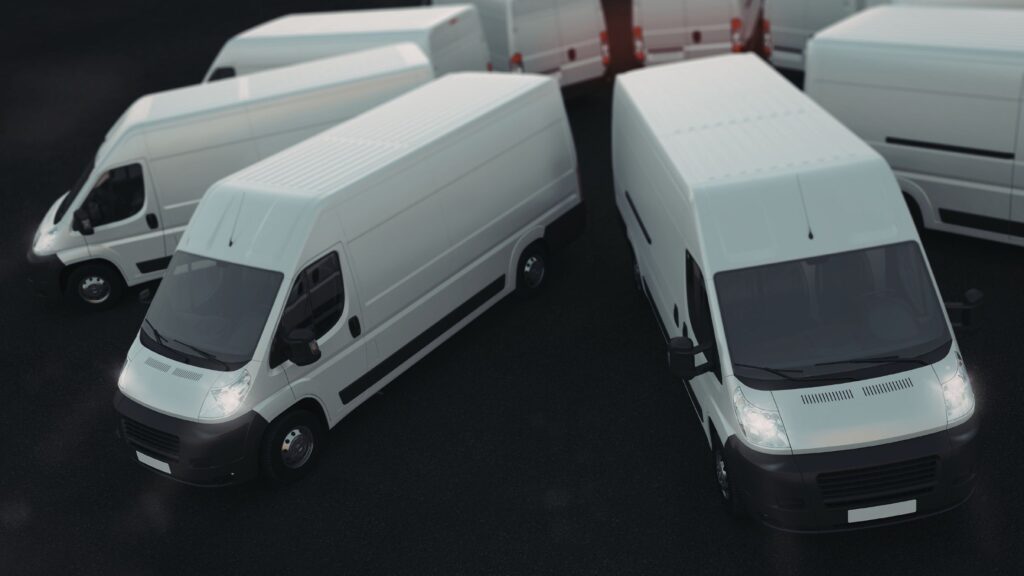

When your business grows, your vehicles start to move more often, over longer distances, and under tighter deadlines. Customers expect on-time arrivals, drivers need reliable support, and managers must keep an eye on costs and compliance at the same time. In this environment, fleet vehicle logistics and transport solutions give you the structure that keeps every journey under control. These solutions bring planning, vehicle movements, and support services into one system. As a result, your teams stay focused on customers while specialists handle the day-to-day coordination that keeps cars, vans, and other assets in the right place at the right moment.
Understanding Fleet Vehicle Logistics and Transport Solutions
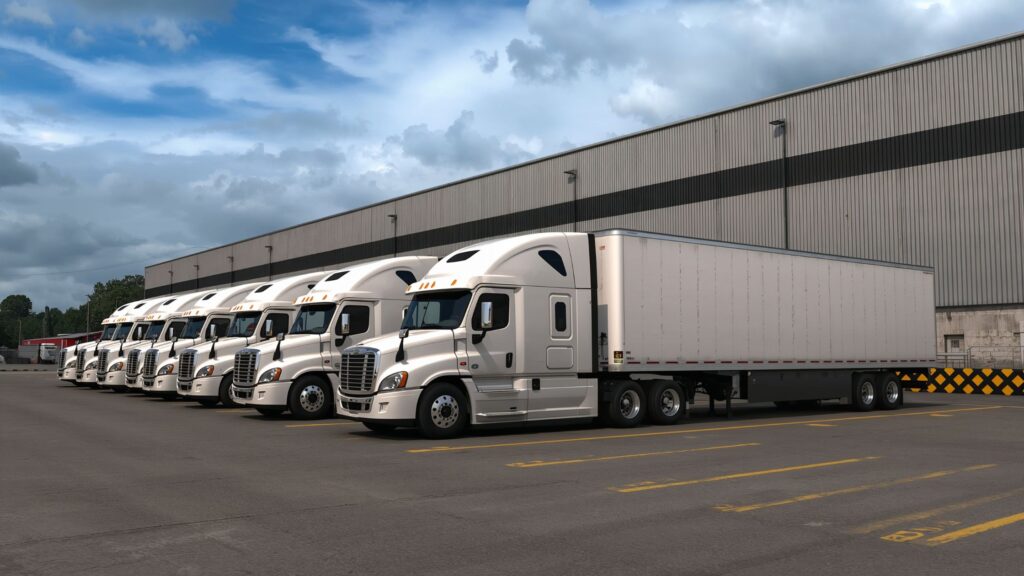
Fleet vehicle logistics means much more than simply sending cars from one place to another. It covers every movement a vehicle makes, from new vehicle deliveries and old vehicle collections to transfers between branches, depots, and drivers. It also includes planning trips for MOTs, servicing, repairs, and bodyshop visits so vehicles stay roadworthy without disrupting daily operations.
Alongside the movements themselves, fleet vehicle logistics also handles the supporting tasks that keep each vehicle ready for work. Teams carry out inspections and condition reports, arrange valeting and refuelling, and organise storage when vehicles are off the road. When you manage all of this in a structured way, logistics becomes the operational backbone of the fleet rather than just “moving cars” in the background.
The Advantages of Optimised Fleet Vehicle Logistics and Transport
Optimised fleet vehicle logistics and transport solutions are key to reducing costs, improving efficiency, and enhancing both driver and customer experiences.
1. Cost Control
Fleet logistics and transport solutions help reduce operational costs by minimising empty runs and unnecessary journeys. Optimised routes and consolidated vehicle movements ensure fuel efficiency and reduced mileage.
2. Higher Vehicle Uptime
Strong logistics ensure vehicles are in the right place, ready for use without delays. By scheduling movements for MOTs and servicing ahead of time, you prevent disruptions that can cause unexpected downtime.
3. Better Driver and Customer Experience
Logistics solutions ensure drivers receive clean, well-maintained vehicles that are ready for their tasks. With scheduled and reliable vehicle deliveries, drivers face fewer delays, improving job satisfaction.
4. Compliance and Safety
Timely scheduling of MOTs, servicing, and inspections through effective logistics ensures that vehicles remain compliant with regulations. Coordinated movements help maintain safety standards by keeping vehicles well-maintained and ready to meet legal requirements.
5. Scalability
Fleet logistics and transport solutions offer the flexibility to scale operations as the business grows. Whether managing tens or hundreds of vehicles, a structured logistics system adapts to the increasing complexity.
By streamlining logistics, businesses can cut costs, ensure compliance, and scale effectively, leading to smoother operations and long-term success.
The Role of Technology in Fleet Vehicle Logistics
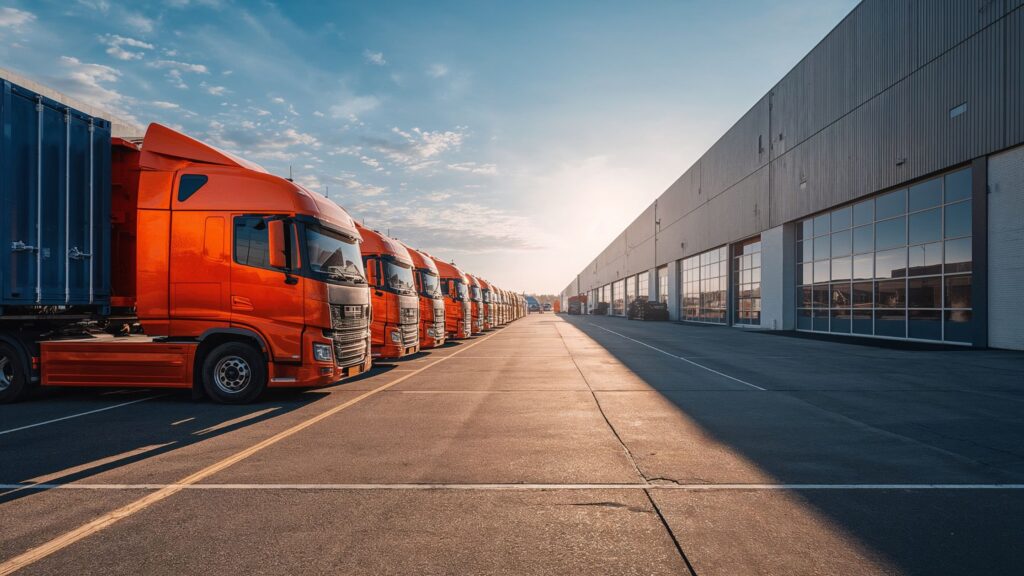
Technology is revolutionising fleet logistics, improving efficiency, safety, and cost-effectiveness.
- Technology provides real-time GPS tracking, ensuring timely deliveries and optimising routes for better efficiency and fewer delays.
- Telematics monitors driver behavior, helping reduce fuel consumption, improve safety, and lower operational costs.
- Predictive maintenance alerts identify vehicle issues early, reducing downtime and maintenance costs through proactive care.
- Technology enables data-driven decisions, optimising routes, fleet size, and maintenance scheduling to improve efficiency and cut costs.
Leveraging technology optimises fleet operations, enhances safety, and reduces costs for better performance. Learn more about Fleet Management Administration.
Cost Comparison: In-House Fleet Management vs Outsourced Logistics Solutions
When deciding between in-house fleet management and outsourcing logistics, it’s essential to consider both short-term costs and long-term savings. While in-house logistics may seem cost-effective for smaller businesses, outsourcing often leads to greater savings over time. By outsourcing, businesses can reduce overhead costs, avoid the need for expensive technology platforms, and access expert networks that may be out of reach for internal teams.
This comparison allows businesses to evaluate their options based on their operational scale and financial goals, enabling smarter financial planning and ensuring the most efficient and cost-effective logistics strategy.
How Fleet Logistics Drives Customer Retention
Efficient fleet logistics ensure timely, reliable service, enhancing customer satisfaction and loyalty.
i. Timely Deliveries: Fleet logistics ensure on-time deliveries, meeting customer expectations and boosting trust in the brand.
ii. Reduced Delays: Optimised logistics reduce delays, enhancing customer satisfaction by ensuring reliable service.
iii. Consistent Service Quality: Well-maintained vehicles and smooth logistics ensure consistent service, increasing reliability and customer trust.
iv. Improved Communication: Real-time tracking keeps customers informed, enhancing their experience and confidence in the service.
v. Positive Brand Reputation: Reliable logistics lead to positive reviews and repeat business, strengthening brand loyalty.
Optimised fleet logistics foster customer trust, driving repeat business and strengthening brand loyalty.
Conclusion
As businesses grow, having structured fleet vehicle logistics and transport solutions becomes essential to maintaining control over costs, uptime, and safety. Logistics should no longer be seen as a back-office task but as a strategic function that drives operational success. Fleet Management Specialists can help businesses communicate, market, and digitise these logistics services effectively. By leveraging content, website strategies, and automation tools, businesses present their fleet solutions professionally and efficiently to their audience.
FAQs
1. What do fleet vehicle logistics and transport solutions cover?
They cover the planning and execution of all vehicle movements in your fleet. These solutions handle depot transfers, driver swaps, deliveries of new vehicles, collections of end-of-contract vehicles, workshop visits, storage arrangements, and the preparation that keeps each vehicle ready for use.
2. How do these solutions help growing businesses reduce costs?
They reduce costs by cutting wasted mileage, avoiding duplicate journeys, and keeping vehicles in locations where you actually need them.
3. When should a company consider outsourcing its fleet logistics?
A company should consider outsourcing when managers spend too much time arranging vehicle movements or when fleets operate across multiple sites and regions.
4. How do better logistics improve driver and customer experience?
Better logistics give drivers clean, road-ready vehicles at the right time and place, which reduces stress and delays at the start of each shift.